
If you’re considering Potenza RF microneedling to improve your skin’s texture, address acne scarring or reduce the appearance of fine lines, it’s natural to have questions before booking your first treatment.
Potenza combines traditional microneedling with radiofrequency energy to encourage collagen remodelling within the skin. Although it can be an effective option for certain skin concerns, understanding how the treatment works, what results to expect and whether it’s suitable for you is an important part of making an informed decision.
At Melior Clinics, we believe every aesthetic treatment should begin with a thorough consultation. To help you prepare, we’ve answered some of the most important questions to ask before your first Potenza session.
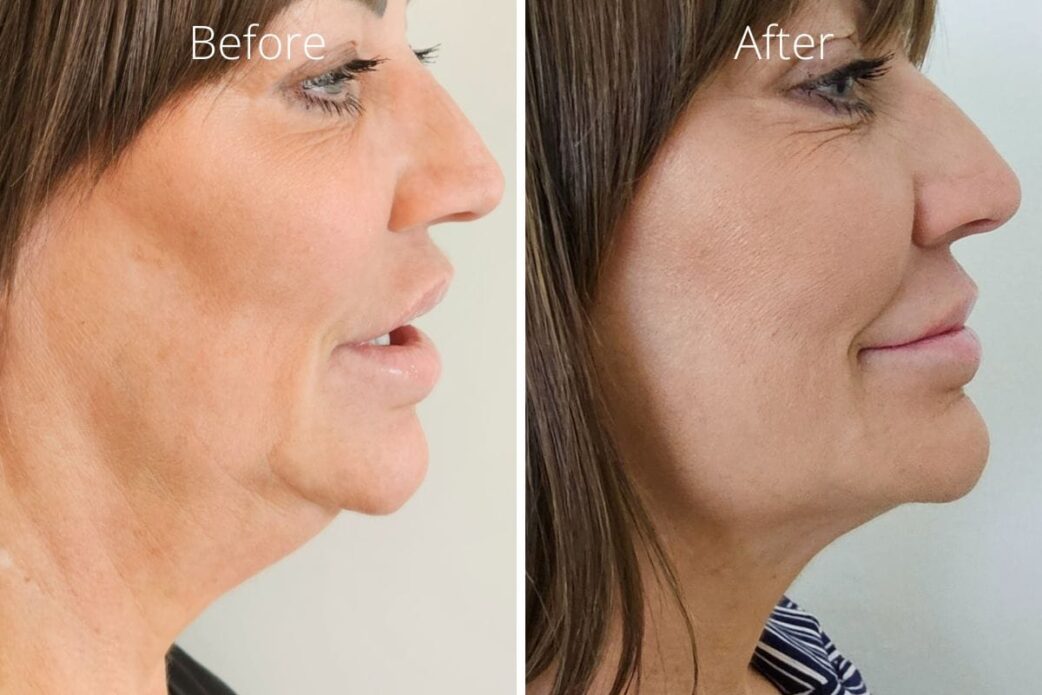
What is Potenza RF microneedling and how does it work?
Potenza is an advanced radiofrequency (RF) microneedling treatment that combines fine needles with controlled radiofrequency energy. During treatment, the needles penetrate the skin at selected depths, delivering RF energy into the targeted tissue. This creates controlled thermal effects that encourage the skin’s natural repair response and collagen remodelling.
Collagen is an essential structural protein that helps maintain the skin’s firmness and resilience. As collagen production and skin structure change with age, fine lines, uneven texture and reduced elasticity can become more noticeable. By combining mechanical microneedling with radiofrequency energy, Potenza may help improve aspects of skin texture and firmness over time.
Unlike traditional microneedling, which relies on mechanical micro-injuries alone, Potenza also uses heat to influence the skin’s remodelling response.
1. Is Potenza suitable for my skin concerns?
One of the first questions to ask your practitioner is whether Potenza is the most appropriate treatment for what you’re hoping to achieve. Potenza may be considered for concerns such as:
- Fine lines and wrinkles
- Uneven skin texture
- Certain types of acne scarring
- Mild skin laxity
- The appearance of enlarged pores
- Changes in skin firmness
However, not all skin concerns respond equally to RF microneedling. For example, different types of acne scars may require different treatment approaches, while significant skin laxity is unlikely to be corrected by microneedling alone. Your practitioner should assess your skin, discuss your goals and explain whether Potenza or another treatment is more appropriate.
2. Is Potenza safe for my skin type?
Potenza can be considered for a range of skin types and tones, but suitability should never be assumed. Although RF microneedling does not rely on the same light-based mechanism as laser treatments, it still creates controlled injury and heat within the skin. This means there is a risk of complications, including changes in pigmentation, particularly if treatment settings are inappropriate for the individual. Your practitioner should consider:
- Your skin tone and tendency to develop pigmentation
- Any history of keloid or abnormal scarring
- Active acne, infections or inflammatory skin conditions
- Previous aesthetic treatments
- Relevant medications and medical conditions
- Any implanted medical devices that may affect suitability
If you have a history of post-inflammatory hyperpigmentation or particularly sensitive skin, discuss this before treatment. A thorough assessment is essential to determine whether RF microneedling is appropriate and how the treatment should be planned.

3. Who will perform my treatment?
The experience and training of your practitioner are important considerations when choosing any advanced skin treatment. RF microneedling is a medical procedure that involves delivering energy into the skin, so it requires an understanding of skin anatomy, appropriate treatment depths and potential complications. Before booking, consider asking:
- What training have you completed in Potenza RF microneedling?
- How much experience do you have treating my particular skin concern?
- How will you choose the appropriate treatment settings?
- What happens if I experience an unexpected reaction?
- What follow-up support is available after treatment?
Your practitioner should also explain the hygiene procedures used, including the use of sterile, single-use needle tips and appropriate infection-control measures. Choosing a suitably trained and experienced practitioner is an important part of reducing avoidable risks.
4. Does Potenza RF microneedling hurt?
Potenza can cause discomfort, although the experience varies depending on the treatment area, settings and individual pain tolerance. Patients may experience a prickling sensation as the needles enter the skin, alongside warmth from the radiofrequency energy. A topical numbing cream may be applied before treatment to help reduce discomfort. Some areas of the face or body may be more sensitive than others, and higher-intensity treatment settings may feel different. Your practitioner should explain what to expect and discuss suitable pain-management options before starting.

5. How many Potenza sessions will I need?
The number of treatments required depends on your skin concerns, their severity and your individual response. Some patients may be advised to undergo a course of sessions, particularly when addressing concerns such as acne scarring or changes in skin firmness. However, there is no single treatment schedule that is appropriate for everyone. Your practitioner should explain:
- How many sessions may be recommended
- The suggested interval between treatments
- When improvements might become noticeable
- Whether maintenance sessions may be appropriate
- What results are realistic for your particular concern
A personalised treatment plan should take into account both your skin’s needs and your long-term goals.
6. When will I see results from Potenza?
Potenza works by encouraging the skin’s natural repair and remodelling processes, so results develop gradually. Some patients may notice early changes in skin texture as the skin recovers, but improvements associated with collagen remodelling generally take longer to develop. Changes may become more noticeable over the following weeks and months, particularly after completing a recommended course of treatment. It’s important to remember that results vary between individuals. The degree of improvement depends on factors such as your skin condition, the treatment area, the settings used and your body’s response. Potenza cannot stop the natural ageing process, and results should not be expected to be permanent.
7. What is the downtime after Potenza?
Understanding the recovery period is particularly important if you’re planning treatment around work, holidays or special occasions. Following Potenza, it is common to experience:
- Redness
- Mild to moderate swelling
- Tenderness or sensitivity
- A warm or tight sensation
- Temporary roughness or dryness
- Occasional pinpoint bleeding or bruising
For some patients, these effects improve over the first few days. However, recovery can take longer depending on the treatment intensity, area and individual skin response. You may need to temporarily avoid makeup, intense exercise, swimming, saunas and certain skincare ingredients while the skin recovers. Your practitioner should provide specific aftercare instructions based on your treatment.
If you have an important event approaching, discuss the timing of your appointment in advance rather than assuming your skin will recover within a particular number of days.
8. What are the risks of Potenza RF microneedling?
Like any procedure involving needles and energy delivered into the skin, Potenza carries potential risks. Common temporary reactions include redness, swelling, tenderness and bruising. Other possible complications include infection, pigmentation changes, prolonged inflammation and scarring.
More serious complications have also been reported with certain uses of RF microneedling devices, including burns, unwanted facial fat loss, nerve injury and lasting changes in skin appearance. These complications are not expected outcomes, but they are important to understand before undergoing treatment.
Your practitioner should explain the risks relevant to your skin, treatment area and proposed settings, as well as the steps taken to minimise them. You should also know how to contact the clinic if you experience unusual or worsening symptoms after treatment.
9. How should I prepare for my first Potenza session?
Preparing your skin appropriately can help reduce unnecessary irritation and support recovery. Before your appointment, your practitioner may advise you to:
- Avoid excessive sun exposure and tanning
- Temporarily stop certain active skincare ingredients, such as retinoids or exfoliating acids
- Avoid irritating treatments close to your appointment
- Arrive with clean skin, free from makeup where advised
- Inform the clinic of any changes to your medical history or medication
- Mention any history of cold sores or skin infections
Do not stop prescribed medication unless advised by the appropriate healthcare professional. Preparation instructions may vary depending on your skin and treatment plan, so always follow the guidance provided by your practitioner.
10. What should I avoid after Potenza treatment?
Aftercare is an important part of the treatment process because your skin needs time to recover. Immediately after Potenza, your skin may be more sensitive than usual. Your practitioner may recommend avoiding:
- Direct sun exposure and tanning
- Retinoids, exfoliating acids and other potentially irritating skincare products
- Hot showers, saunas and steam rooms
- Intense exercise until initial redness and swelling have settled
- Swimming while the skin is healing
- Scrubbing, picking or exfoliating the treated area
- Applying makeup too soon after treatment
Gentle cleansing, suitable moisturising products and sun protection are commonly recommended as part of recovery. However, the exact timing for returning to your usual routine depends on the treatment settings and your skin’s response. Contact your practitioner if you experience increasing pain, blistering, spreading redness, unusual swelling or other unexpected symptoms.
11. Can Potenza be combined with other skin treatments?
In some cases, RF microneedling may be considered as part of a broader skin treatment plan. For example, patients concerned about acne scarring, uneven texture or multiple signs of ageing may benefit from discussing different treatment options. However, combining procedures does not automatically produce better results.
Certain treatments may need to be separated by an appropriate recovery period, and some combinations may increase the risk of irritation or complications. Your practitioner should consider your medical history, skin condition and previous procedures before recommending any combination approach.
12. How do I know if Potenza is worth it for me?
Before deciding whether Potenza is right for you, it’s helpful to consider what you want to achieve and how realistic those expectations are. RF microneedling may offer improvements in certain skin concerns, but results are usually gradual and vary between individuals. You should feel comfortable asking your practitioner:
- What improvement can I realistically expect?
- Are there alternative treatments I should consider?
- How many sessions might I need, and what is the total expected cost?
- What are the potential risks for my skin?
- How long might the results last?
- What happens if I don’t achieve the results I hoped for?
A good consultation should provide clear, balanced information rather than promising a particular outcome.
Your first Potenza consultation at Melior Clinics
At Melior Clinics, we believe that choosing an aesthetic treatment should always begin with understanding your skin. Whether you’re concerned about acne scarring, uneven texture, fine lines or changes in skin firmness, our practitioners take a personalised approach to assessing your needs and discussing suitable options. A consultation is an opportunity to ask questions, understand the potential benefits and limitations of treatment, and develop a plan that reflects your individual skin concerns.
Book a consultation with Melior Clinics to discuss your skin goals, learn more about the treatment and find out whether it may be suitable for you.