
Have you noticed dark spots, uneven skin tone or patches of pigmentation that seem more noticeable after summer? If you’re considering treatment, you may be wondering whether winter is a good time to start. The colder months can be a convenient time to discuss pigmentation treatments, particularly when you’re spending less time in strong sunlight. However, winter doesn’t automatically make every treatment suitable, and sun protection remains just as important throughout the year.
At Melior Clinics, we believe that treating pigmentation starts with understanding what’s causing it. Different types of pigmentation require different approaches, and a personalised consultation can help you explore the options most appropriate for your skin. Here’s what to consider before starting pigmentation treatment this winter.
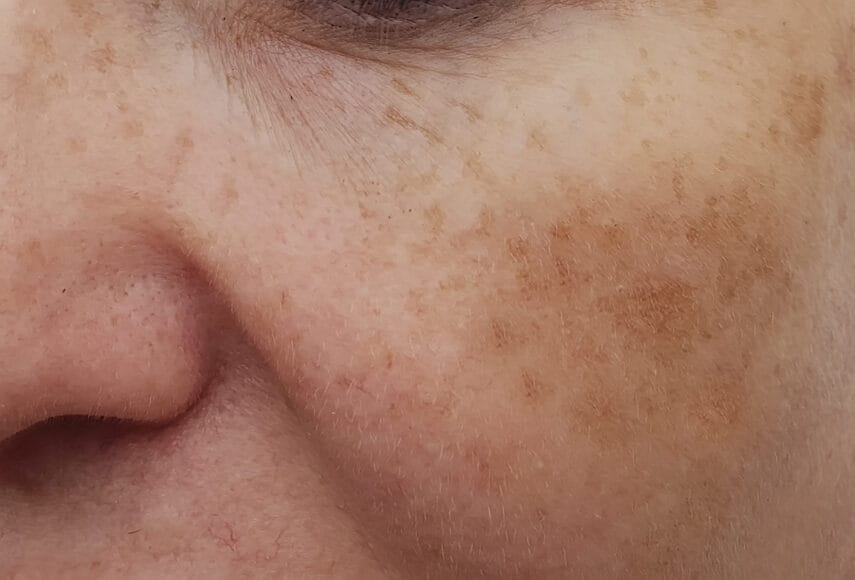
Is winter a good time to treat pigmentation?
Winter can be a suitable time to begin certain pigmentation treatments, but the best timing depends on your skin, the type of pigmentation and the treatment being considered. Some professional treatments can temporarily make the skin more sensitive to sunlight. With shorter days and potentially less time spent outdoors, autumn and winter may make it easier for some patients to manage their recovery and follow sun-protection advice. However, UV radiation is still present during the colder months, and pigmentation can return or worsen with continued exposure.
The most important factor isn’t the season itself, but whether your skin is suitable for treatment and whether you can follow the recommended aftercare. A consultation can help you plan treatment around your lifestyle, upcoming holidays and individual skin concerns.
What causes pigmentation on the face?
Pigmentation occurs when the skin produces or distributes melanin, the pigment responsible for skin colour, unevenly. Several factors can contribute to darker patches or spots, including sun exposure, hormonal changes, inflammation and the natural ageing process. However, not all pigmentation has the same cause.
Sun spots and age spots
Sun spots, sometimes called solar lentigines, are commonly associated with cumulative sun exposure.They often appear as flat brown patches on areas frequently exposed to sunlight, such as the face, hands and décolletage. Although many are harmless, a new or changing pigmented lesion should be medically assessed before cosmetic treatment.
Melasma
Melasma is a pigmentation condition that causes brown or greyish patches, often across the cheeks, forehead or upper lip. It can be influenced by hormonal changes, genetic susceptibility and exposure to ultraviolet or visible light. Melasma is often persistent and may return after treatment, which means long-term management is particularly important.
Post-inflammatory hyperpigmentation
Post-inflammatory hyperpigmentation, or PIH, develops following inflammation or injury to the skin. It may occur after acne, eczema, irritation or certain cosmetic procedures. PIH can affect all skin tones but may be more persistent or noticeable in darker skin tones. Treating the underlying cause of inflammation is an important part of managing this type of pigmentation.
Why is identifying the type of pigmentation important?
Before choosing a treatment, it’s essential to understand what is causing the pigmentation. A treatment that may be appropriate for a sun spot isn’t necessarily suitable for melasma or post-inflammatory hyperpigmentation. For example, some laser and peel treatments can aggravate pigmentation if they cause excessive inflammation, particularly in patients prone to PIH. Your practitioner should consider:
- The appearance and distribution of the pigmentation
- How long it has been present
- Whether it has changed over time
- Your skin tone and history of pigmentation
- Previous treatments and skincare products
- Relevant medications and medical history
- Sun exposure and other possible triggers
If a pigmented lesion is new, changing, irregular or otherwise suspicious, it should be assessed by an appropriate medical professional before cosmetic treatment.
What should I ask during a pigmentation consultation?
A pigmentation consultation should help you understand your skin concerns, the available treatment options and what results are realistic. Here are some of the most important questions to discuss.
1. What type of pigmentation do I have?
This is the most important starting point. Your practitioner should assess whether your pigmentation is consistent with melasma, sun-related pigmentation, post-inflammatory hyperpigmentation or another condition. If the diagnosis is uncertain or the appearance raises medical concerns, further assessment may be necessary before treatment.
2. Is my pigmentation suitable for cosmetic treatment?
Not every pigmented mark should be treated with a cosmetic procedure. Some conditions require medical assessment, while others may respond better to skincare or treatment of an underlying skin problem. Your practitioner should explain whether cosmetic treatment is appropriate and why.
3. Which treatment would you recommend for my skin?
There are several approaches to managing pigmentation, including topical skincare, professional peels and selected laser treatments. However, suitability depends on the type and depth of pigmentation, your skin tone and the risks associated with each treatment. Ask why a particular approach is being recommended and whether there are alternatives worth considering.
4. What results can I realistically expect?
Pigmentation treatment is rarely a one-size-fits-all process. Some patients may notice a reduction in the appearance of dark spots or improved skin tone, while others require a longer-term management plan. Complete clearance cannot be guaranteed, and certain conditions, particularly melasma, may recur. Ask what degree of improvement is realistic and how your progress will be assessed.
5. What downtime and aftercare will I need?
Some pigmentation treatments can cause temporary redness, peeling, dryness or irritation. The amount of downtime depends on the treatment and your skin’s response. Ask how long recovery may take, which skincare products you’ll need and whether you’ll have to adjust your routine or upcoming plans.
6. How can I prevent pigmentation from returning?
Long-term management is an important part of pigmentation treatment. Sun protection, suitable skincare and managing underlying triggers can help reduce the likelihood of further pigmentation developing or existing pigmentation becoming darker. However, recurrence isn’t always preventable. Your practitioner should explain what maintenance may be needed after treatment.
What pigmentation treatments are available?
The most appropriate treatment depends on the cause of pigmentation, your skin tone and your individual circumstances. At Melior Clinics, consultations may include discussion of professional skincare, chemical peels and selected laser treatments.
Cosmelan depigmentation treatment
Cosmelan is a professional depigmentation programme designed to improve the appearance of certain types of hyperpigmentation. The treatment combines an in-clinic application with a structured homecare routine. At Melior Clinics, the Cosmelan programme includes skin preparation, an in-clinic treatment and ongoing maintenance products. Following the recommended homecare routine is an important part of the process, as pigmentation can persist or return if contributing factors remain. Cosmelan may be considered for certain pigmentation concerns, but it isn’t suitable for every patient or every type of pigmented lesion. You can learn more about the treatment on our Cosmelan depigmentation peel page.

Laser treatments for pigmentation
Certain laser treatments may be used to target selected benign pigmented lesions, such as sun-related spots. However, laser treatment is not appropriate for every type of pigmentation. In particular, melasma can be difficult to manage with energy-based treatments, and some procedures may cause worsening pigmentation or post-inflammatory changes. Your practitioner should assess the type of pigmentation and your skin tone before recommending laser treatment. Any suspicious lesion should be medically assessed before cosmetic laser treatment.
Professional skincare and topical treatments
For some patients, an appropriate skincare routine may be the most suitable starting point. Depending on the diagnosis, a clinician may recommend products containing ingredients such as azelaic acid, vitamin C or other pigment-targeting ingredients. Certain prescription treatments may also be considered under appropriate medical supervision. The right skincare programme depends on your skin’s sensitivity, medical history and the type of pigmentation being treated.
Is Cosmelan better to have in winter?
Winter may be a convenient time to consider Cosmelan because the programme requires careful skincare and sun protection. However, Cosmelan isn’t exclusively a winter treatment. The most important considerations are whether you’re suitable for the programme and whether you can follow the preparation, recovery and homecare instructions consistently.
At Melior Clinics, Cosmelan involves more than a single clinic appointment. The programme includes preparation and a longer-term homecare routine, so it’s important to consider whether it fits your lifestyle. If you’re planning a sunny holiday or expect prolonged outdoor exposure, discuss this with your practitioner before choosing a treatment date.
How important is sun protection during winter?
Sun protection is essential when managing pigmentation, even during the colder months. Although UV levels are generally lower during a UK winter, ultraviolet radiation can still contribute to pigmentation. For patients with melasma, visible light may also play a role in worsening pigmentation.
The British Association of Dermatologists recommends broad-spectrum sunscreen with SPF 30 or higher for people managing melasma, alongside other sun-protection measures. Tinted sunscreens containing iron oxides may provide additional protection against visible light, which can be particularly relevant for melasma. Your practitioner may recommend a specific sunscreen as part of your treatment and maintenance plan. Sun protection should continue beyond the initial treatment period, particularly if your pigmentation is prone to returning.
Can pigmentation return after treatment?
Yes. Even when pigmentation improves following treatment, it can return. This is particularly relevant for melasma, which is a chronic condition influenced by factors such as hormones and sun exposure. Sun spots may also develop again with continued UV exposure, while post-inflammatory hyperpigmentation can recur if the underlying inflammation continues. For this reason, it’s important to approach pigmentation treatment as part of a longer-term skin management plan rather than expecting a permanent correction. Your practitioner should explain the likelihood of recurrence and whether maintenance skincare or further treatments may be appropriate.
When should you seek medical advice about pigmentation?
Not every dark spot or pigmented patch is simply a cosmetic concern. You should seek medical assessment if you notice:
- A new or changing mole or pigmented lesion
- An irregularly shaped or unevenly coloured mark
- A lesion that bleeds, crusts or doesn’t heal
- A rapidly changing patch of pigmentation
- Pigmentation accompanied by unexplained pain or other concerning symptoms
These changes should be assessed by a GP or dermatologist before any cosmetic treatment is considered.
How to prepare for a pigmentation consultation
You don’t need to know exactly which treatment you want before attending a consultation. However, it can be helpful to consider:
- When you first noticed the pigmentation
- Whether it changes throughout the year
- Any previous acne, irritation or skin conditions
- Your current skincare products and medications
- Previous pigmentation treatments
- Your usual sun exposure and upcoming travel plans
- What you hope to improve
If you have photographs showing how your pigmentation has changed over time, these may also be useful to discuss. A consultation should give you a clearer understanding of your skin and help you decide whether treatment is appropriate.
Discuss pigmentation treatment at Melior Clinics
If you’ve been considering treatment for pigmentation, winter can be a useful time to explore your options and develop a personalised plan. However, choosing the right treatment starts with understanding the cause of your pigmentation, not simply the time of year.
At Melior Clinics, our practitioners take a considered approach to skin health, assessing your concerns and discussing suitable treatment options based on your individual needs. Whether you’re concerned about sun spots, uneven skin tone or persistent pigmentation, our team can help you understand which approaches may be appropriate and what results you can realistically expect.
Book a pigmentation consultation with Melior Clinics to discuss your skin concerns and explore a personalised treatment plan.